
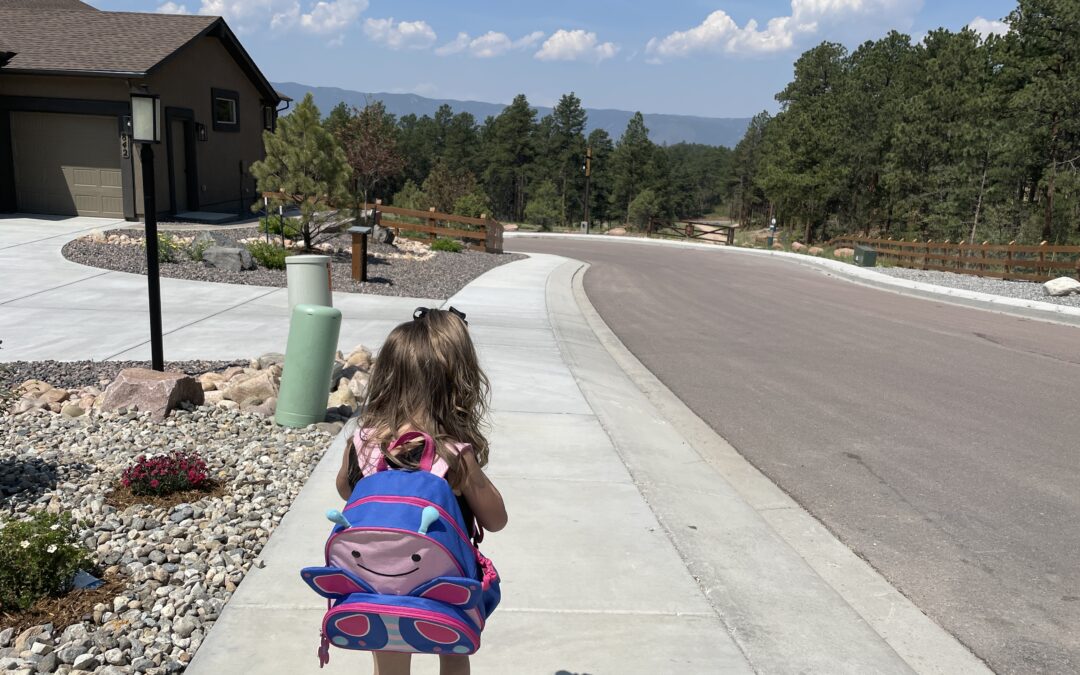
As parents, we spend a lot of time preparing for everyday life. We pack snacks, remember therapy appointments, and make sure our children have everything they need before heading out the door. But have you ever stopped to think about what you would do if an emergency happened?
In Colorado, emergencies can include wildfires, poor air quality, severe snowstorms, flash floods, power outages, and other natural disasters. For families of children with medical needs or disabilities, having a plan before an emergency occurs can make an already stressful situation much safer.
At Kid Physical, we encourage families to think of emergency preparedness as another way to support their child's health and independence.
Why Emergency Planning Matters
When an emergency happens, there may be very little time to make important decisions. Roads can close, electricity may go out, and medical equipment or medications may become difficult to access.
If your child needs extra support, consider how an emergency could affect:
- Mobility equipment such as wheelchairs, walkers, gait trainers, or adaptive strollers.
- Medical equipment that requires electricity, including feeding pumps, suction machines, oxygen concentrators, or communication devices.
- Medications and specialized nutrition.
- Access to essential medical appointments.
- Your family's ability to evacuate quickly.
Thinking through these situations ahead of time can reduce stress and help your family respond confidently.
Build an Emergency Go Bag
Every family should have an emergency kit that can be grabbed quickly if you need to leave home. Families of children with medical needs may want to include additional supplies.
Consider packing:
- At least several days of medications and a list of prescriptions.
- Extra medical supplies such as feeding supplies, catheters, suction tubing, or respiratory equipment.
- Chargers, backup batteries, and portable power banks for medical or communication devices.
- Copies of insurance cards, medical records, therapy contact information, and emergency phone numbers.
- Comfort items such as favorite toys, blankets, books, or sensory tools.
- Water, snacks, diapers, wipes, and extra clothing.
- Supplies for service animals if applicable.
Check your emergency kit twice a year to replace expired medications, update paperwork, and make sure clothing still fits your growing child.
Know Your Evacuation Plan
Take a few minutes to answer these questions with your family.
If you need to leave home within five minutes:
Where would you go?
Which of your child's equipment would you take?
Who could help if one caregiver is not home?
If your child has difficulty with transitions or communication, practice evacuation routines just like you would practice a fire drill. Familiar routines can help reduce anxiety during a real emergency.
Understand Your Wildfire Risk
Wildfires are becoming an increasingly important part of living in Colorado, even for families who do not live in the mountains. Smoke can travel hundreds of miles and affect air quality long before flames are nearby.
The Colorado State Forest Service offers a free Wildfire Risk Viewer that allows families to search their address and better understand wildfire risk around their home. The interactive map also provides information about fire history and steps homeowners can take to reduce risk.
Stay Informed with Reliable Apps
One of the best ways to stay safe is to receive accurate information quickly.
Many Colorado families use Watch Duty, a free nonprofit app that provides real-time wildfire information, evacuation notices, road closures, firefighting activity, and smoke conditions. While it is an excellent resource, it should complement—not replace—official emergency alerts from your local county or emergency management agency.
In addition to Watch Duty, make sure wireless emergency alerts are enabled on your phone and sign up for your county's emergency notification system.
Pay Attention to Air Quality
Even if a wildfire is many miles away, smoke can still affect your child's health.
Children are especially sensitive to smoke because their lungs are still developing, and children with asthma, chronic lung disease, or other medical conditions may experience symptoms sooner than healthy adults.
Check the Air Quality Index (AQI) before spending extended time outdoors, especially during wildfire season.
As AQI levels rise:
- Green (0–50): Air quality is good.
- Yellow (51–100): Most children can safely play outside, although those with certain medical conditions should be monitored.
- Orange (101–150): Sensitive groups, including many children with medical conditions, should reduce prolonged outdoor activity.
- Red and higher (151+): Everyone should limit outdoor activity, especially vigorous exercise.
The AirNow Fire and Smoke Map and the Colorado Department of Public Health and Environment provide real-time air quality information and smoke forecasts to help families plan outdoor activities.
Prepare Medical Equipment for Power Outages
If your child relies on equipment that uses electricity, ask yourself:
- Do I have backup batteries?
- How long will they last?
- Do I have access to a generator or alternate power source?
- Do I know who to contact if power is out for an extended period?
Talk with your medical equipment provider about emergency backup options before you need them.
The Colorado Department of Healthcare Policy and Finance (HCPF) previously offered a program for free battery backup power supply systems to eligible Health First Colorado members made available through the American Rescue Plan Act (ARPA) and in collaboration with The Center for Inclusive Design and Engineering (CIDE). The most recent program closed in August 2024 but families should remain on the lookout for any other similar programs offered in the future.
Make a Family Communication Plan
Choose an out-of-town emergency contact that everyone knows to call if local phone lines become overloaded.
Make sure older children know:
- Parents' phone numbers.
- Home address.
- How to call 911.
- Where to meet if family members become separated.
Store emergency contacts both in your phone and on a printed card in your emergency go bag.
Preparedness Brings Peace of Mind
No one can prevent emergencies, but preparing ahead of time gives your family more options when unexpected situations arise.
A few simple steps today such as creating a go bag, knowing your evacuation route, monitoring wildfire risk, checking air quality, and keeping medical supplies ready can make a significant difference tomorrow.
At Kid Physical, we know that every child's needs are unique. If we can help you and your family in any way while preparing for an emergency situation like this, please feel free to reach out. Planning ahead helps ensure your family can continue focusing on what matters most: keeping your child safe, healthy, and thriving, no matter what challenges come your way.