
Services
Kid Physical is a home health agency that has been built with the idea that kids deserve the best.
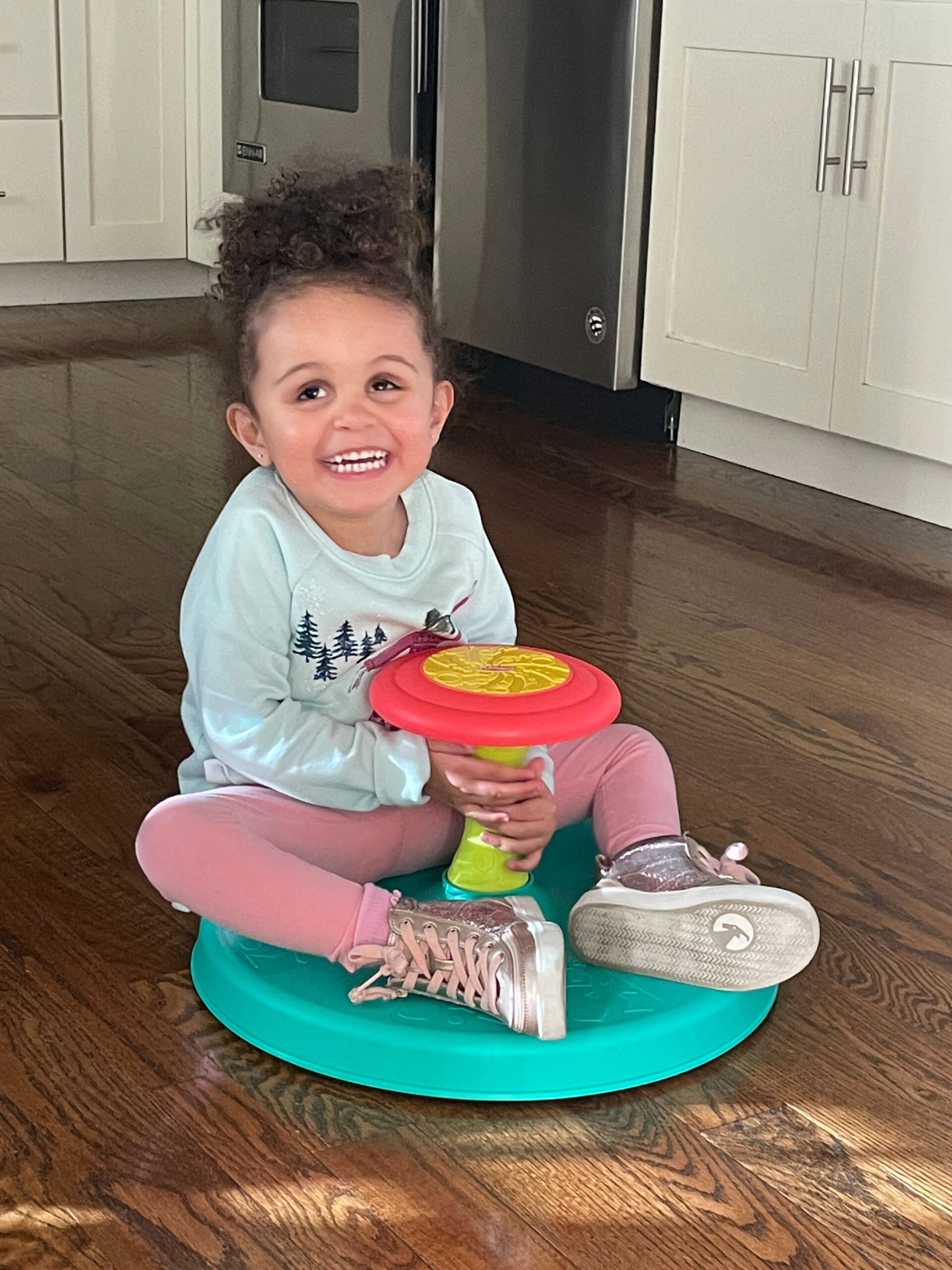
Pediatric Physical Therapy
Pediatric physical therapy helps children build the strength, coordination, balance, and mobility they need to participate in everyday life. At Kid Physical, our physical therapists look beyond isolated exercises and focus on helping children move more confidently and safely in the environments where they live, learn, and play. Because we provide therapy in the home and community, we can work with families to identify meaningful goals and find practical ways to incorporate therapy into daily routines using the equipment, spaces, and resources already available to parents and caregivers.
Our therapist-owned approach means families receive care from a team that understands both the clinical and personal sides of pediatric therapy. We partner closely with parents, caregivers, physicians, educators, and other members of a child's care team to create individualized treatment plans that support each child's abilities, interests, and goals.
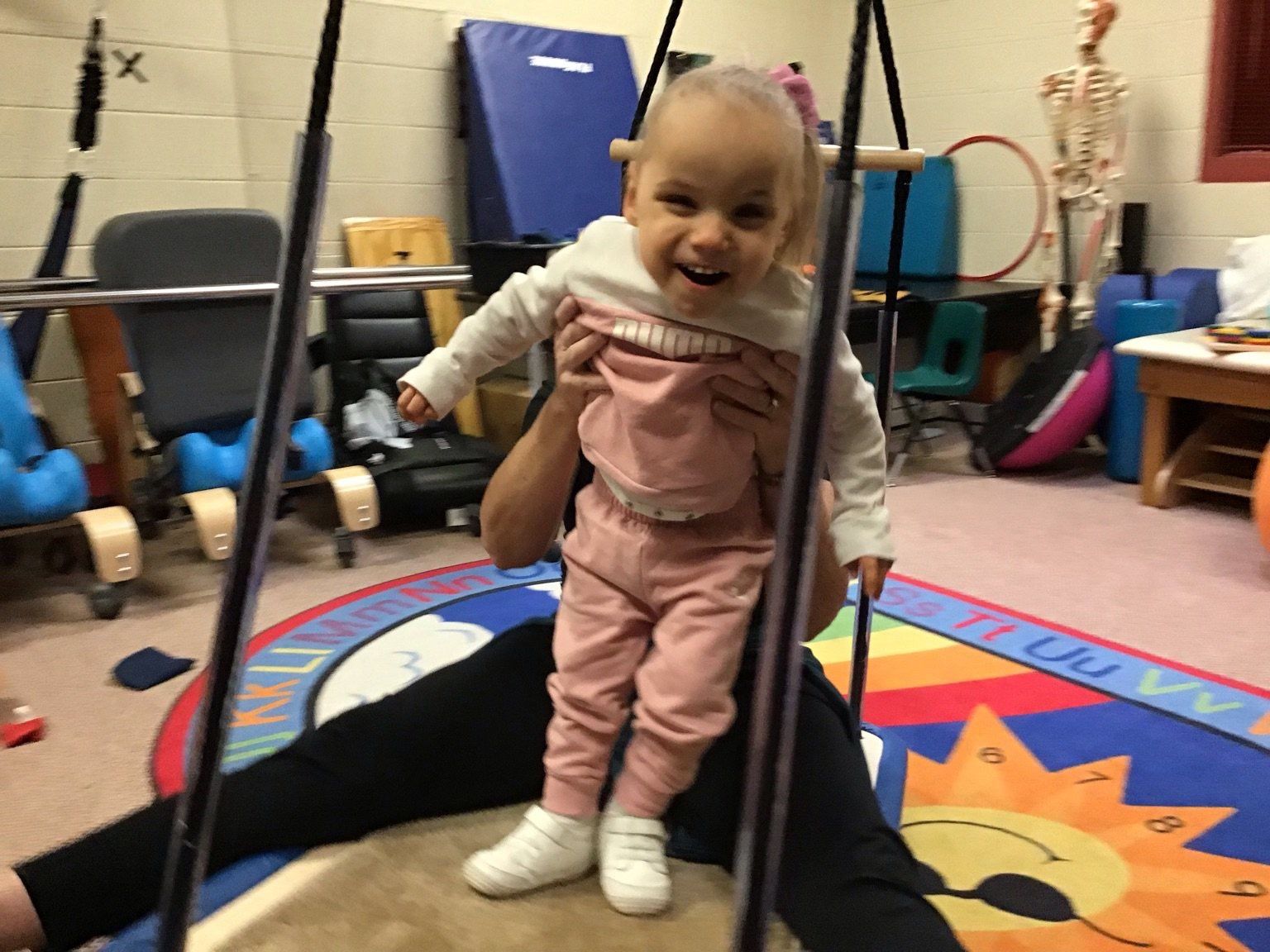
Pediatric physical therapy may help children with:
- Gross motor skills such as rolling, sitting, crawling, standing, and walking
- Balance, coordination, strength, and endurance
- Transitions and functional mobility
- Gait and walking patterns
- Use of adaptive equipment, mobility devices, and orthotics
- Positioning and postural control
- Access to play, recreation, and community activities
- Safe participation in everyday routines
Diagnoses and conditions we may support include:
- Developmental delay
- Down syndrome
- Cerebral palsy
- Genetic and chromosomal conditions
- Torticollis and plagiocephaly
- Physical and mobility challenges related to blindness and low vision
- Hypotonia and hypertonia
- Prematurity and associated developmental challenges
- Acquired brain injury
- Spina bifida and other spinal cord conditions
- Other conditions affecting strength, balance, coordination, or mobility
Pediatric Occupational Therapy
Pediatric occupational therapy helps children develop the skills they need to participate as independently as possible in the activities that are important to them. These activities, or "occupations," include everything from playing and learning to getting dressed, eating, using the bathroom, participating in school, and interacting with family and friends. At Kid Physical, our occupational therapists consider the whole child and look for ways to make everyday activities more successful and meaningful.
Home health occupational therapy allows us to see firsthand how a child functions in their natural environment. We can work with families to adapt routines, modify the environment, and identify strategies or equipment that make participation easier. Our goal is not simply to teach a skill in therapy, but to help children use that skill in the places and activities where it matters most.
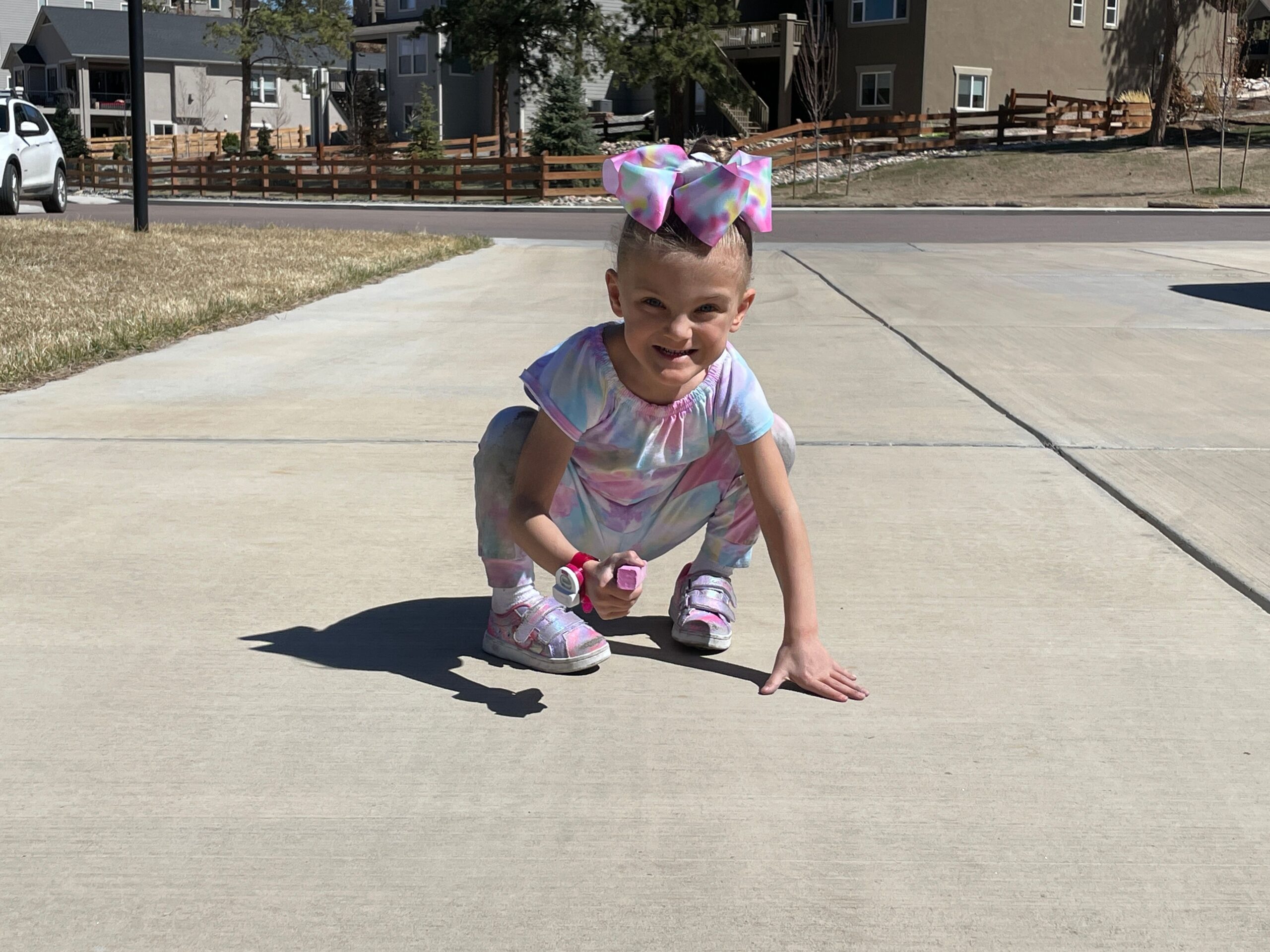
Pediatric occupational therapy may help children with:
- Fine motor skills and hand coordination
- Dressing, grooming, toileting, and other self-care skills
- Sensory processing and regulation
- Play skills and participation
- Visual-motor and visual-perceptual skills
- School and classroom participation
- Adaptive equipment and environmental modifications
- Independence and participation in daily routines
Diagnoses and conditions we may support include:
- Developmental delay
- Autism spectrum disorder and sensory processing differences
- Cerebral palsy
- Down syndrome
- Genetic and chromosomal conditions
- Developmental coordination challenges
- Fine motor and independence challenges related to blindness and low vision
- Acquired brain injury
- Prematurity and associated developmental challenges
- Conditions affecting fine motor skills, self-care, or functional participation
- Other conditions affecting a child's ability to participate in daily activities
Pediatric Speech Therapy
Pediatric speech therapy supports children in developing the communication skills they need to express themselves, understand others, and participate in their families, schools, and communities. Communication looks different for every child. Our speech-language pathologists work with children using individualized approaches that may include spoken language, gestures, signs, pictures, communication devices, or other forms of augmentative and alternative communication (AAC).
Because Kid Physical provides therapy in the home, our speech therapists can work directly within the routines and environments that are meaningful to each child and family. We collaborate with caregivers and other members of the child's team to help communication skills carry over beyond the therapy session and into everyday life.
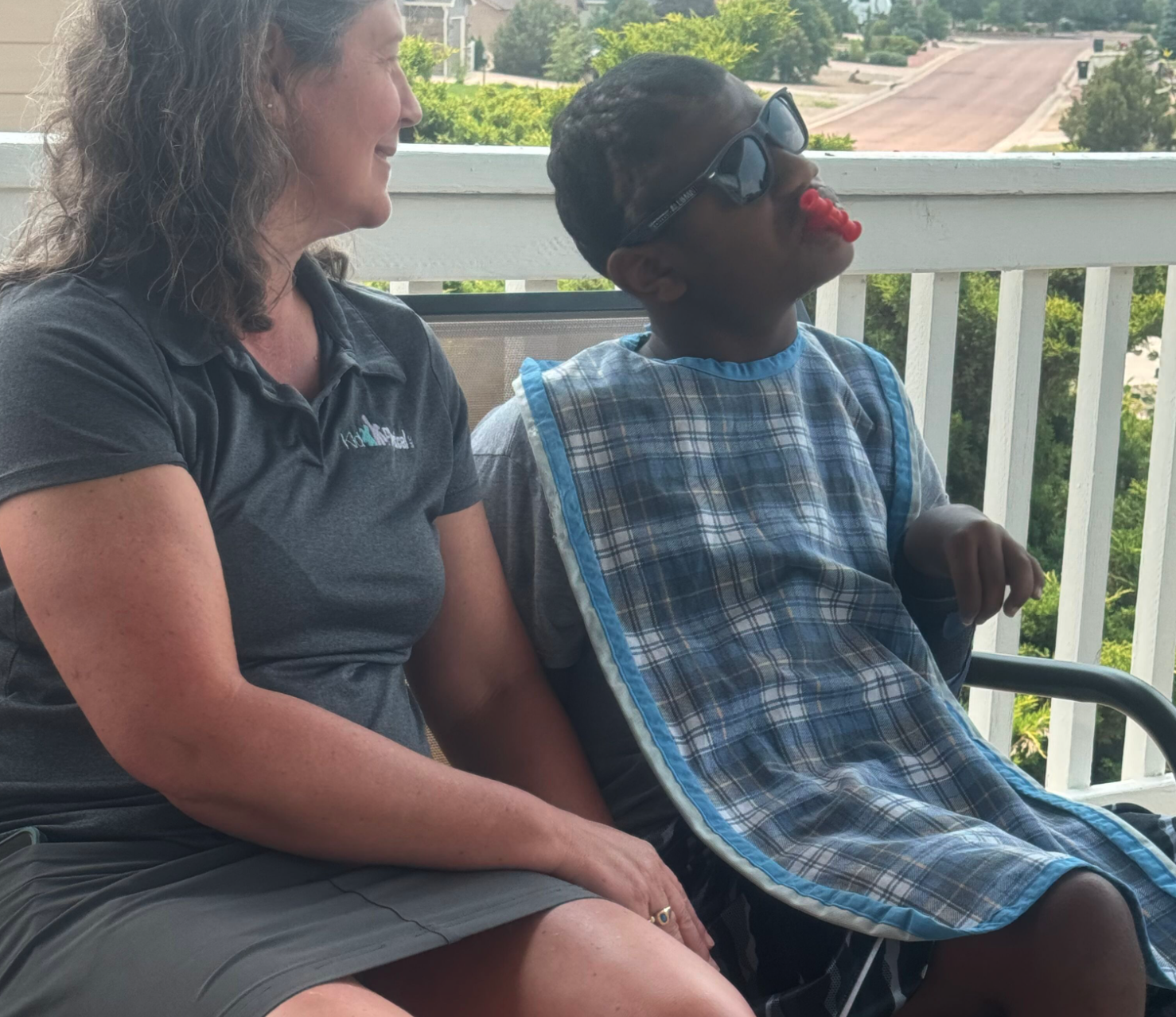
Pediatric speech therapy may help children with:
- Expressive and receptive language
- Speech sound production and intelligibility
- Early communication and language development
- Social communication and interaction
- Augmentative and alternative communication (AAC)
- Gestures, signs, pictures, and other communication methods
- Fluency and voice
- Communication during everyday routines and activities
Diagnoses and conditions we may support include:
- Developmental language disorder
- Speech sound disorders
- Autism spectrum disorder
- Genetic and chromosomal conditions
- Neurological conditions and acquired brain injury
- Intellectual or developmental disabilities
- Childhood apraxia of speech
- Deafness and hard of hearing
- Conditions affecting communication or social interaction including developmental delay
- Children who use augmentative and alternative communication (AAC)
- Other conditions affecting speech, language, or communication
Pediatric Feeding Therapy
Mealtimes are about much more than eating. Feeding is a complex skill that involves coordination, sensory processing, oral motor skills, communication, and the ability to safely manage food and liquids. At Kid Physical, our feeding therapists work with children and their families to understand the factors that may be making eating or drinking difficult and develop individualized strategies that support safe, positive mealtime experiences.
Feeding therapy takes place within the context of real family routines whenever possible. We recognize that every child and family has different needs, preferences, and priorities. Our therapists collaborate with caregivers and the child's medical and therapy team to support progress while respecting the child's cues, comfort, and individual pace.
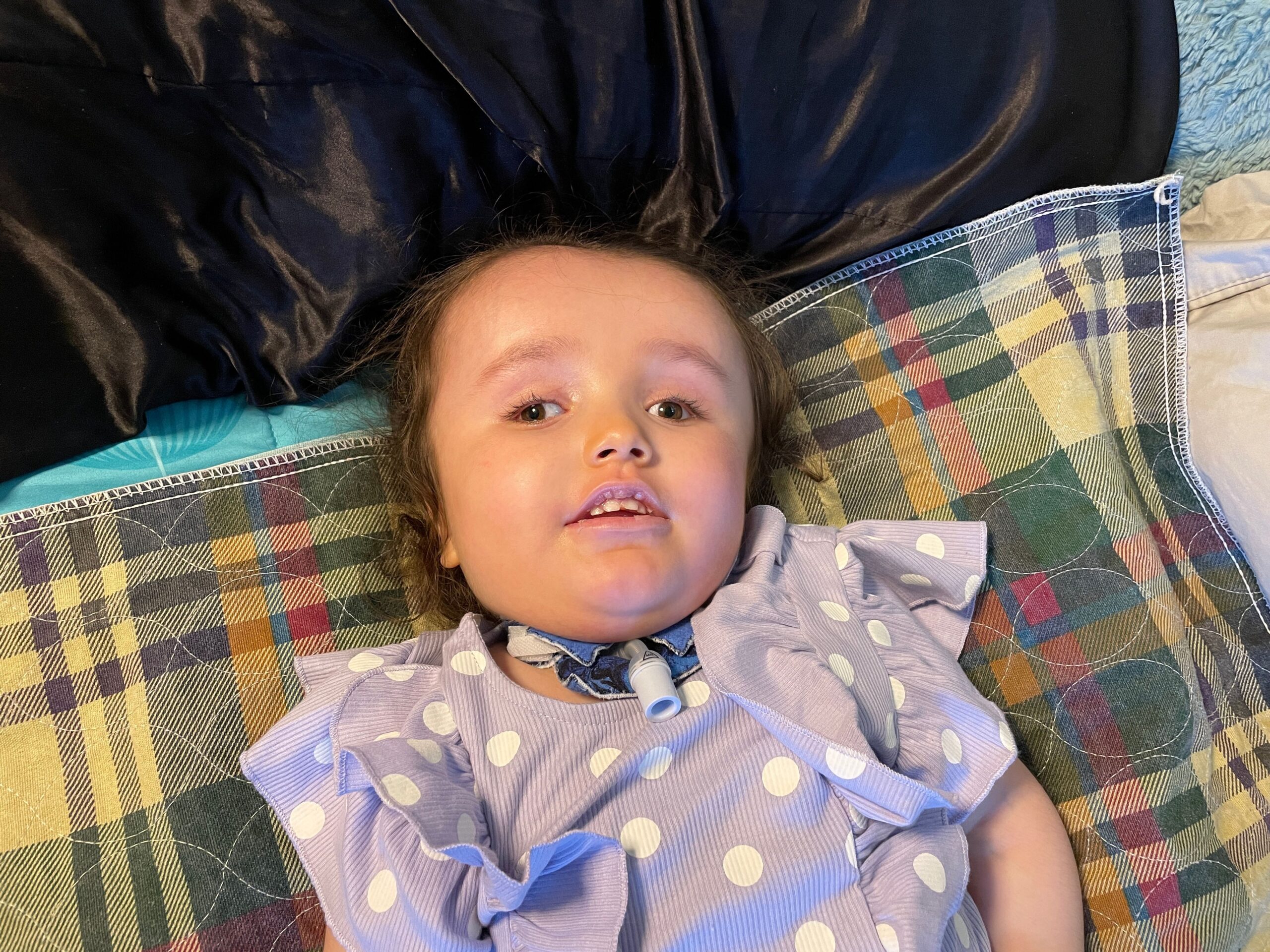
Pediatric feeding therapy may address:
- Difficulty accepting or trying new foods
- Food variety and selective eating
- Oral motor skills needed for eating
- Chewing and managing different textures
- Cup, straw, and utensil skills
- Mealtime positioning and adaptive equipment
- Sensory challenges related to food
- Safe and successful participation in family mealtimes
Diagnoses and conditions we may support include:
- Pediatric feeding disorder
- Autism spectrum disorder and sensory processing differences affecting eating
- Cerebral palsy
- Down syndrome
- Developmental delay
- Genetic and chromosomal conditions
- Oral motor or oral structural challenges
- Prematurity and associated feeding challenges
- Dysphagia or swallowing difficulties
- Children who require modified food textures or liquids
- Children who use feeding tubes or are transitioning toward greater oral intake
- Other conditions affecting safe, adequate, or successful eating and drinking