
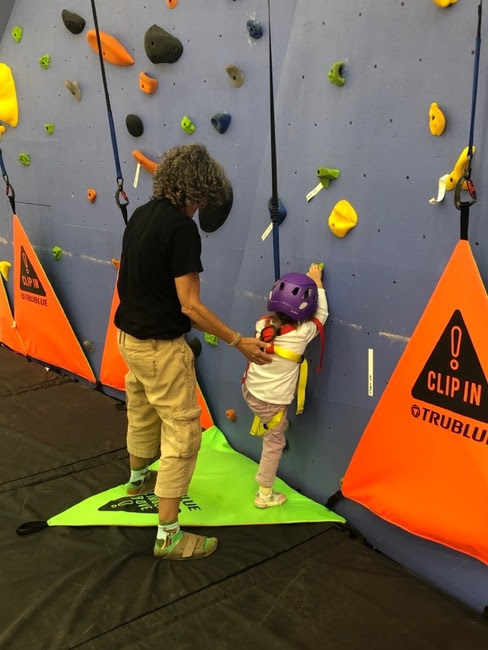
For children, play is more than just a way to pass the time. It is how they explore their world, build friendships, develop new skills, express themselves, and discover what they enjoy. But for children with disabilities or medical complexities, participating in recreational activities is not always as simple as showing up and joining in. Therapeutic recreation can help remove those barriers and create opportunities for children of all abilities to experience the fun, connection, and sense of accomplishment that recreation provides.
Therapeutic recreation, sometimes called recreational therapy, uses recreation and leisure activities to support a person’s physical, cognitive, emotional, and social well-being. A therapeutic recreation professional looks at what a child enjoys, what they would like to learn or accomplish, and what barriers may be preventing them from participating. Activities are then adapted or selected to help the child work toward meaningful goals while doing something they enjoy.
Unlike traditional therapy, the primary goal of therapeutic recreation is not necessarily to practice a specific developmental skill. Instead, the focus is on helping children participate in meaningful leisure activities and experience the many benefits that come from recreation. A child might practice balance while learning to ride a bike, develop social communication while participating in a team sport, build confidence through swimming, or work on problem-solving skills while playing a game with friends.
Most importantly, therapeutic recreation recognizes that fun matters and is an important part of childhood for every child. Children deserve opportunities to participate in activities simply because they enjoy them. It provides opportunities to move, explore, imagine, socialize, take appropriate risks, develop interests, and build relationships. For children with disabilities, access to these experiences can sometimes be limited by physical, sensory, communication, or environmental barriers. When recreation is adapted to meet a child’s needs, those barriers do not have to prevent participation.
Therapeutic recreation can help children:
- Develop physical, cognitive, communication, and social skills
- Build confidence and independence
- Explore new interests and discover activities they enjoy
- Develop friendships and a sense of belonging
- Increase opportunities for physical activity
- Practice problem-solving and decision-making
- Improve self-expression and emotional regulation
- Develop skills that can carry over into everyday activities
- Experience success and accomplishment
- Participate more fully in family and community activities
What Does Therapeutic Recreation Look Like?
Therapeutic recreation can look very different from one child to another because it is based on the child’s interests, abilities, goals, and environment. For one child, it might mean learning to participate in an adaptive soccer program. For another, it could involve finding a way to enjoy a favorite playground, learning to swim, joining a summer camp, or developing the skills needed to participate in an art program.
Activities may include:
- Adaptive sports such as swimming, skiing, basketball, cycling, or soccer
- Outdoor recreation, including hiking, camping, fishing, and nature exploration
- Arts, crafts, music, and creative activities
- Playground and community recreation
- Games and social activities
- Aquatic activities
- Dance and movement
- Camps and after-school programs
- Gardening and other leisure activities
- Activities that promote independence and community participation
The activity itself is only part of the equation. Therapeutic recreation also considers how a child can participate. Equipment may need to be adapted, instructions may need to be modified, additional sensory supports may be helpful, or an activity may need to be broken into smaller steps. The goal should be more about adapting the activity to the child rather than making the child fit the activity.
Who Can Benefit From Therapeutic Recreation?
Therapeutic recreation can benefit children with a wide variety of disabilities, developmental differences, and medical needs. It may be appropriate for children who experience challenges with mobility, communication, cognition, sensory processing, social participation, or endurance. A diagnosis does not determine whether a child should have access to recreation. Every child deserves opportunities to play, participate, and have fun.
One of the most important things to remember is that children with disabilities do not need to turn every activity into therapy. Sometimes a child simply wants to go swimming, play on the playground, attend camp, ride a bike, spend time outside with their family or make new friends. Those experiences have value even when there is no specific therapeutic goal attached to them. Adaptations can make participation possible without changing the purpose of the activity. A child might use an adaptive tricycle because it allows them to ride alongside their siblings. A playground might have an accessible ramp and supportive swing so a child can play with their friends. A family might use an all-terrain wheelchair so everyone can explore a trail together. The goal is participation, not perfection.
Finding Recreational Opportunities in Colorado
Colorado offers countless opportunities for children and families to enjoy recreation, from parks and playgrounds to adaptive sports, camps, outdoor programs, and community recreation centers. Many organizations provide adaptive or inclusive programming specifically designed to welcome people with disabilities.
Some places to check out include Special Olympics Colorado, Breckenridge Outdoor Education Center, or even your local Parks and Recreation Center (Colorado Springs Therapeutic Recreation Program, South Suburban Therapeutic Adaptive Recreation (STAR) Program, Parker Therapeutic Recreation, Aurora’s Adaptive Recreation & Inclusion Services for Everyone (A.R.I.S.E.), Denver Parks & Recreation Adaptive Recreation)
When looking for an activity, consider asking:
- Is the activity physically accessible?
- Can equipment or rules be adapted?
- Are staff trained to support children with disabilities?
- Are communication or sensory supports available?
- Can a parent or caregiver participate?
- What accommodations are available?
- Is the environment comfortable and safe for the child?
- Most importantly, does my child enjoy it?
Sometimes the perfect activity is not one specifically labeled “therapeutic” or “adaptive.” An inclusive community program, neighborhood playground, family hike, or game of catch can be just as meaningful when the right supports are available.
Making Room for Joy
At Kid Physical, we believe therapy should support children in participating in the lives they want to live. That includes building the skills and confidence needed to play, explore, socialize, and participate in their communities. Therapeutic recreation is a wonderful reminder that development does not only happen at a therapy table or during a structured treatment session. Children learn through play, movement, relationships, exploration, and experiences that are meaningful to them.
Sometimes the most important question is not, “What skill are we working on?” It is simply, “What does this child want to do?”
When we start there, therapy, adaptations, and community supports can become tools that help children get where they want to go, whether that is across a soccer field, down a hiking trail, into a swimming pool, or simply onto the playground with their friends.
Because every child deserves the opportunity to play, participate, belong, and have fun.