When you’re raising a child with a disability, developmental delay, medical complexity, or mobility challenge, finding activities that truly work for your kiddo can sometimes feel overwhelming.
You may hear terms like accessible, adaptive, inclusive, or unified and wonder: What’s the difference? And which one is right for my kiddo?
The good news? There is no “best” option — just the option that best fits your kiddo, your family, and what feels joyful and successful for them.
Every child deserves opportunities to move, play, connect, build confidence, and experience the fun of being part of something bigger. Here’s a simple breakdown of what these terms mean, plus examples of programs and opportunities families can explore here in Colorado.
Why Participation Matters for Children of All Abilities
Kiddos with disabilities deserve the same opportunities to explore interests, build friendships, gain confidence, and simply have fun.
Sports and activities can support:
- Gross and fine motor skills
- Coordination and strength
- Social skills and friendships
- Emotional confidence and independence
- Sensory regulation
- Family connection and community involvement
Most importantly, participation helps children feel included and capable. Every kiddo deserves the chance to say, “I did that!”
And for many families, finding activities that everyone can enjoy together can create meaningful shared experiences that go far beyond therapy goals.
What Does “Accessible” Mean?
Accessible activities are designed so children can physically get there and participate.
Accessibility focuses on removing barriers. Think ramps, smooth pathways, wheelchair-friendly surfaces, sensory accommodations, adaptive seating, or accessible equipment.
An activity can be accessible without being specifically adapted for a child with disabilities.
Colorado Examples of Accessible Activities
Accessible Hiking Trails
Colorado has several wheelchair- and mobility-friendly trails and nature spaces.
Families often enjoy:
- The accessible trails at the Plains Conservation Center in Aurora, which offer paved paths and wildlife viewing opportunities.
- Fountain Creek Nature Center in Colorado Springs, where families can enjoy nature trails and outdoor exploration with the assist of an off-road mobility vehicle.
- The accessible boardwalk at Garden of the Gods in Colorado Springs.
- Wheelchair-friendly routes at Staunton State Park, home to Colorado’s adaptive hiking trail and track chair program.
Many local splash pads, playgrounds, and museums throughout Colorado have also expanded accessibility with inclusive surfacing, wheelchair access, sensory spaces, and quieter accommodations.
Think of accessibility as making sure a child can enter and participate in the environment.
What Does “Adaptive” Mean?
Adaptive activities are intentionally modified to meet a child’s physical, sensory, cognitive, or developmental needs.
This could include:
- Specialized equipment
- Modified rules
- Extra support staff or volunteers
- Smaller group sizes
- Therapeutic or individualized instruction
Adaptive programs are often ideal for kiddos who need accommodations to fully participate successfully.
Colorado Examples of Adaptive Sports & Activities
Adaptive Skiing
Colorado is known for incredible adaptive ski programs, including:
- Adaptive skiing and snowboarding through organizations like the National Sports Center for the Disabled in Winter Park.
- Adaptive lessons available through Breckenridge Outdoor Education Center and other mountain communities.
Children may use sit-skis, adaptive equipment, or receive one-on-one support.
Adaptive Cycling
Programs throughout Colorado such as the Cool C.A.T.S. Program through The Arc Pikes Peak Region offer adaptive bikes and trikes for children with mobility differences, balance challenges, or physical disabilities.
Adaptive Swimming
Some recreation centers and therapy-based aquatic programs offer swim lessons designed specifically for children with disabilities, sensory needs, or developmental delays, including:
- Big Blue Swim School in Centennial
- SafeSplash Swim School in Denver
Adaptive Recreation Programs
Many local parks and recreation departments—including programs in the Denver Metro area and Colorado Springs—offer adaptive camps, sports leagues, or recreation days for children with disabilities.
Think of adaptive activities as changing the activity to help the child succeed.
What Does “Inclusive” or “Unified” Mean?
Inclusive (or unified) activities bring children with and without disabilities together in shared experiences.
The goal is participation together rather than separate programming.
In inclusive settings, accommodations are often built in so children of varying abilities can participate side by side.
“Unified” programs often pair athletes with and without disabilities as teammates.
Colorado Examples of Inclusive & Unified Programs
Unified Sports Programs
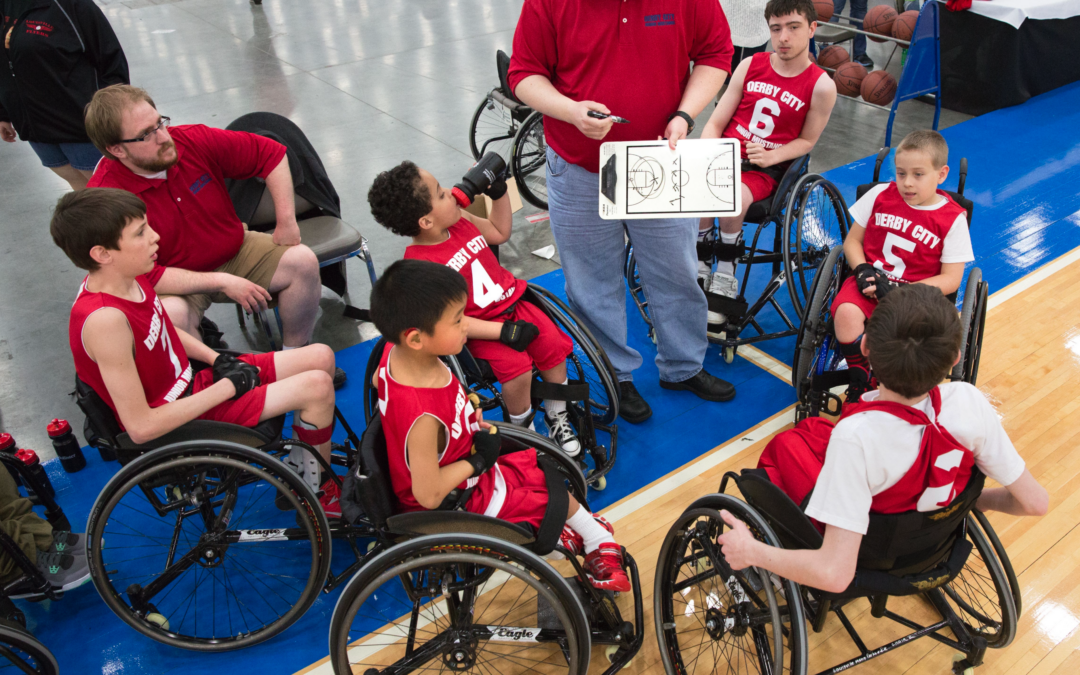
Many Colorado schools and communities participate in Special Olympics Unified Sports, where athletes with and without disabilities play together on the same team.
Sports may include:
- Basketball
- Soccer
- Track and field
- Bowling
Inclusive Playgrounds
Colorado has many wonderful inclusive playgrounds designed for children of all abilities to play together, including:
- LuBird’s Light Playground in Denver
- Panorama Park in Colorado Springs
- Red-tailed Hawk Park in Aurora
- Swing High Playground in Colorado Springs
These playgrounds often include wheelchair-accessible ramps, adaptive swings, sensory elements, and spaces designed for a wide range of developmental needs.
Inclusive Community Programs
Some dance studios, martial arts programs, libraries, camps, and youth organizations in Colorado intentionally welcome children of all abilities into general programming with accommodations and support.
Think of inclusion as making sure all children belong together in the same space.
So… Which One Is Best?
The answer is: all of them can be valuable.
Some children thrive in adaptive settings where activities are tailored to their needs.
Others prefer inclusive opportunities with peers.
Many families find a combination works best:
- An adaptive swim lesson for skill building
- An inclusive playground for family fun
- An accessible hiking trail for outdoor adventure
- A unified sports team for social connection
There is no one-size-fits-all answer. Your child’s needs, personality, energy level, goals, and interests all matter.
And what works this year may change next year — and that’s okay.
Helping Your Child Find the Right Fit
When exploring new activities, consider asking:
- Will my child feel successful here?
- Are accommodations available?
- Is staff trained to support varying needs?
- Will this environment feel safe and welcoming?
- Does my child seem excited or interested?
Sometimes the best activity is simply the one your child looks forward to every week.
Every Child Deserves to Play
At the heart of it, accessible, adaptive, and inclusive activities all share the same goal: helping children experience joy, movement, confidence, friendship, and belonging.
Because every child deserves opportunities to explore the world, try new things, build skills, and create memories with their family and community.
And sometimes, participation itself is the biggest win of all.
Need Help Finding the Right Fit?
Finding activities that truly work for your child can sometimes take trial and error — and you don’t have to figure it out alone.
If you’re wondering what accessible, adaptive, or inclusive opportunities might be a good fit for your child’s strengths, interests, and goals, don’t hesitate to reach out to our team or ask your child’s therapist or provider. We’re often familiar with local programs, community resources, and activity ideas that may help your child build skills, confidence, and connection while having fun.
Because every child deserves opportunities to participate, explore, and belong.